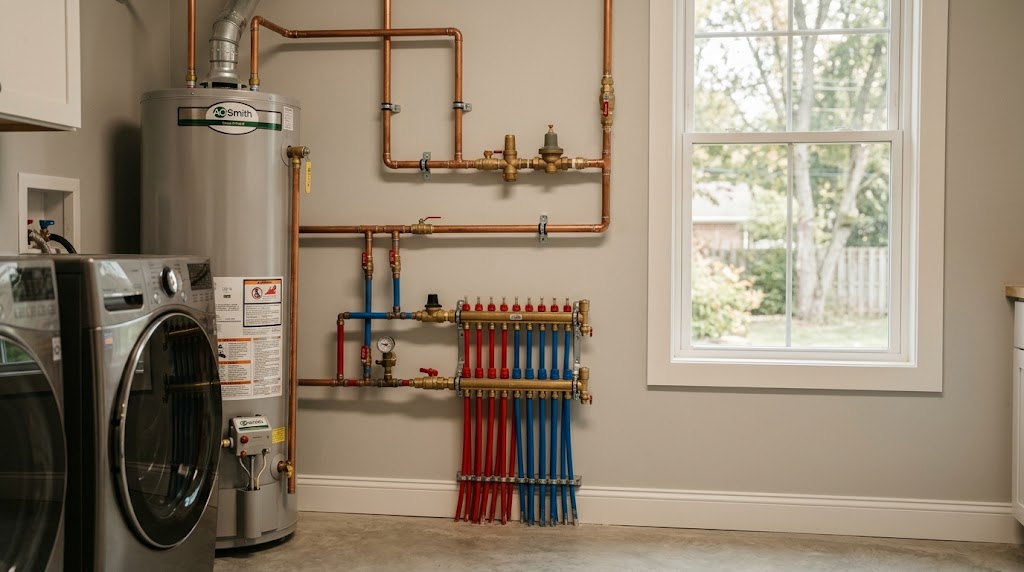
Troubleshooting Water Heater Malfunctions in Corvallis
A functional water heater is fundamental to household hygiene, cooking, laundry, and daily comfort. When a unit fails, the symptoms are immediate: icy morning showers, discolored rust-tinged water, or ominous dripping noises coming from the utility closet or basement. In Corvallis homes, water heaters endure daily operational strain exacerbated by thermal expansion and dissolved mineral content.
Whether your property relies on a standard atmospheric gas storage tank, an electric double-element unit, or a modern high-efficiency tankless system, precise mechanical and electrical diagnosis is necessary to distinguish an inexpensive component repair from an imminent tank rupture.
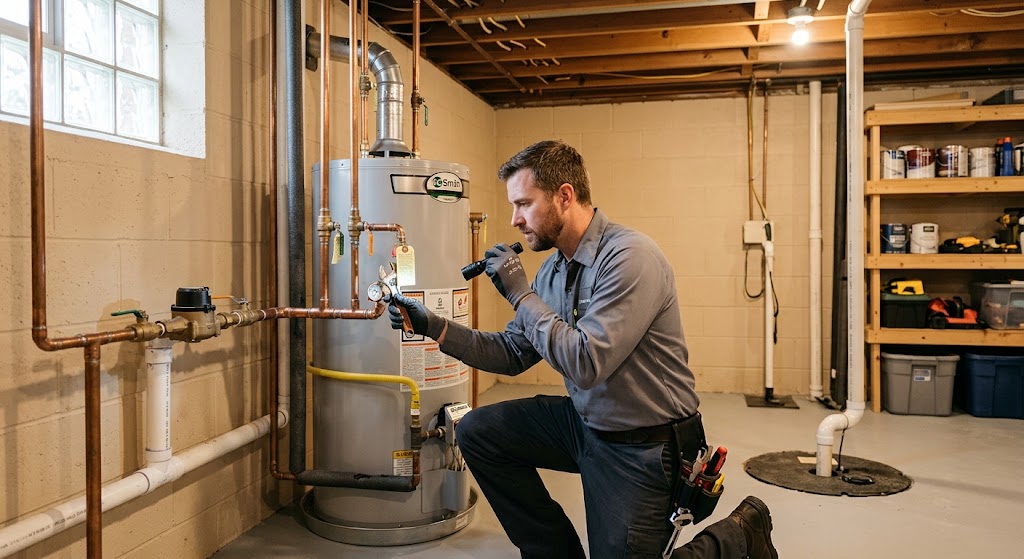
Common Water Heater Symptoms & Likely Causes
Homeowners in Benton County regularly observe several characteristic failure patterns:
- Complete Absence of Hot Water: In gas water heaters, this typically points to a blown pilot light, thermocouple failure, defective thermopile, or faulty gas control valve. In electric models, tripped high-limit reset switches or burned-out upper heating elements are prime culprits.
- Lukewarm or Inadequate Hot Water: Often caused by a broken dip tube allowing incoming cold water to mix directly with outgoing warm water at the top of the tank, or a failed lower electric heating element.
- Popping or Rumbling Tank Sounds: Sediment such as calcium and magnesium accumulates on the tank floor over years. Steam bubbles trapped beneath this mineral layer boil violently, creating popping noises and trapping heat against the steel base.
- Moisture Around the Base: Drips from a leaking temperature and pressure relief (T&P) valve indicate excess system pressure. However, water weeping from beneath the outer jacket signifies internal glass-lined steel vessel corrosion, requiring tank replacement.
- Rusty or Metallic Water: Signals that the protective sacrificial anode rod has completely depleted, allowing municipal water to begin oxidizing the steel tank walls.
Repair vs. Replacement Decision Guide
If your conventional tank water heater is under 8 to 10 years old and the steel vessel is sound, replacing an electric heating element, thermostat, thermocouple, or pressure valve is practical and economical. If the tank itself has breached or is over 10 to 12 years old, full replacement is the safest and most energy-efficient long-term strategy under Oregon plumbing codes.
Types of Water Heaters Serviced in Corvallis
Technicians dispatched through our Corvallis platform service and install all major domestic water heating configurations:
- Standard Gas Storage Tanks: Natural gas and propane units with atmospheric or power-vented exhaust flues.
- Electric Storage Tanks: Single and dual-element electric water heaters common in suburban and rural properties.
- Tankless On-Demand Heaters: Compact wall-mounted units requiring periodic descaling and flow sensor calibration to deliver steady endless hot water.
Oregon Specialty Code (OPSC) Installation Compliance
Water heater replacements in Corvallis must adhere strictly to the Oregon Plumbing Specialty Code. This includes proper thermal expansion tank sizing, seismic strapping to resist regional earth movement, approved discharge piping for the T&P relief valve, and compliant gas venting to protect indoor air quality.