Plumbing Demands & Municipal Dynamics in Grants Pass
Operating plumbing systems efficiently in Grants Pass requires an understanding of local housing infrastructure, seasonal temperature fluctuations, and the division between municipal and private utility infrastructure.
Whether you manage a vintage residence with older piping materials or a newly constructed home in an expanding subdivision, routine plumbing wear-and-tear is inevitable. Mineral accumulation inside water heater tanks, organic waste accumulation inside kitchen drains, and seasonal tree root movement seeking water lateral moisture all contribute to common homeowner challenges.
Verified Grants Pass Municipal Infrastructure Context
Grants Pass reports a municipal wastewater collection system serving homes and businesses through approximately 164 miles of piping. While city crews oversee public collection mains, property owners remain responsible for all private plumbing lines up to the main tie-in.
Common Plumbing Issues Encountered in Grants Pass Homes
Across Josephine County, property owners regularly reach out to our network for assistance with several primary plumbing concerns:
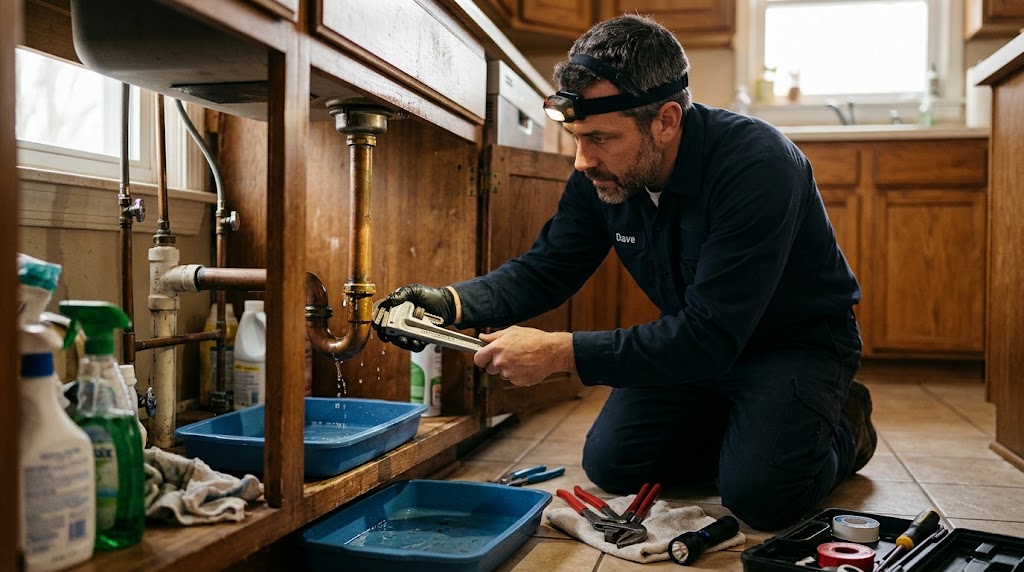
- Slow or Gurgling Drain Lines: Often triggered by soap scum, hair buildup, kitchen fats, or small tree root intrusions penetrating exterior clay or cast-iron lateral joints.
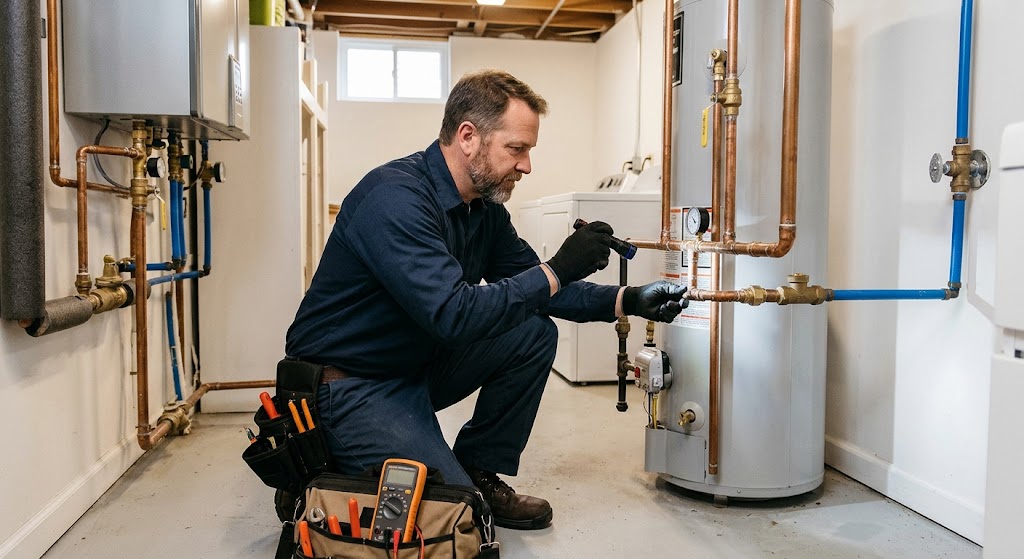
- Water Heater Temperature Inconsistency: Caused by calcified heating elements, failing dip tubes, faulty thermopiles, or sediment blankets insulating tank bottoms from burner heat.
- Unexplained Water Pressure Drops: Indicative of pressure regulator failure, localized pipe corrosion, or concealed pressurized supply leaks.
- Sewer Lateral Backups: Where multiple lower-level fixtures back up simultaneously, indicating a blockage in the main private building drain line.
Private Utility Lateral vs. Public Responsibilities in Grants Pass
It is important for Grants Pass property owners to understand that city utility crews maintain the public water mains and municipal sanitary collection pipes under public streets. However, each property owner is legally and financially responsible for the private sewer lateral connecting their home to the public main, as well as the private water service line extending inward from the city water meter.