Overcoming Persistent Drain Blockages in Medford Homes
A sluggish drain is more than a minor annoyance—it signals a developing restriction that can eventually trap dirty water, produce foul sewer odors, and cause overflows that damage flooring and cabinetry. Across Medford, residential drainage lines contend with daily accumulations of organic waste, soap scum, cooking grease, and mineral scale.
While chemical drain openers purchased at retail stores offer temporary relief, their corrosive caustic compounds often damage older PVC slip joints, corrode cast-iron piping, and fail to remove dense physical obstructions. Professional mechanical drain cleaning physically clears the pipe diameter, ensuring lasting flow performance.
Common Signs You Need Professional Drain Cleaning
Catching drainage issues early prevents emergency fixture backups. Homeowners throughout Jackson County should watch for these warning signs:
- Slow-Draining Fixtures: Standing water lingering in bathroom sinks, bathtubs, or laundry basins long after use.
- Gurgling Sounds: Air trapped by a downstream blockage bubbling up through toilet traps or secondary sink vents when water empties.
- Unpleasant Sewer Odors: Decaying organic material decomposing inside dry traps or blocked branch pipes.
- Recurring Clogs: Fixtures that back up repeatedly within weeks of being cleared with a hand plunger.
- Multiple Fixture Slowdown: If running the washing machine causes water to back up into the ground-floor shower, the restriction is in a main building branch or sewer lateral rather than an isolated p-trap.
Single-Fixture vs. Whole-House Drain Blockage
When only one sink or shower drains slowly, the obstruction is located locally in that fixture's trap or fixture arm. If multiple plumbing fixtures across the house drain slowly simultaneously or back up into lower tubs, the issue lies in the central building drain or private sewer lateral.
How Technicians Diagnose & Clear Drains in Medford
When you contact our Medford dispatch team, technicians follow a methodical diagnostic approach to restore your drain lines safely:
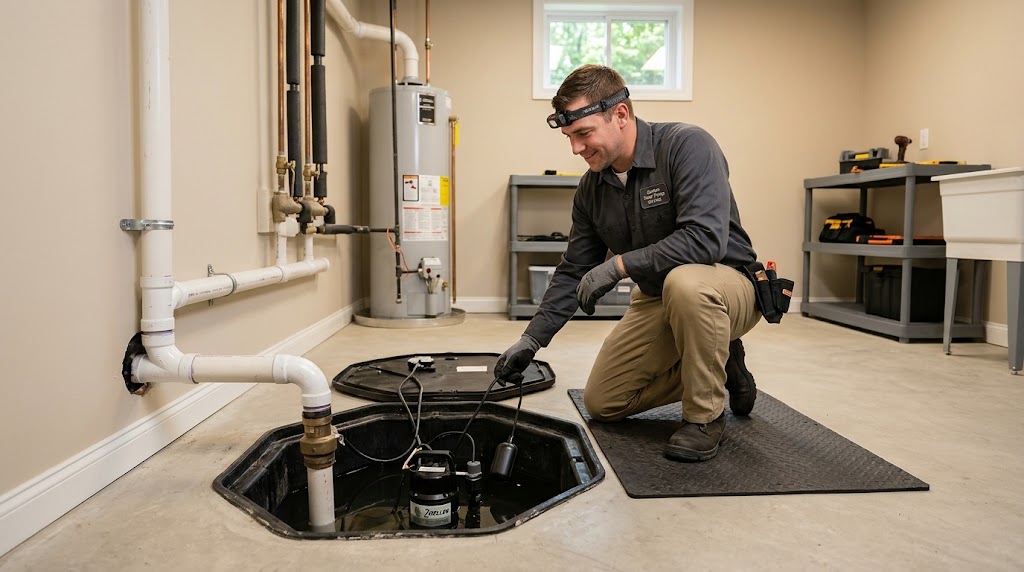
- Fixture Inspection & Trap Access: The plumber tests water drainage and inspects cleanout access points or disassembles accessible p-traps to determine the obstruction depth.
- Motorized Mechanical Cabling: Using heavy-duty commercial rooter machines equipped with specialized cutting blades, the technician cuts through hair masses, food grease, and paper blockages without scratching pipe walls.
- Hydro-Jetting Assessment: For severe grease accumulations or exterior lines impacted by silt and sand, high-pressure water jetting may be utilized to scour internal pipe walls back to their original diameter.
- Flow Verification: Technicians run high-volume hot water tests to ensure unobstructed disposal before concluding the service.
Preventative Drain Care Tips for Oregon Homeowners
Preserving clean drain lines is simple with consistent habits: install mesh hair catchers in bathroom showers, never pour cooking fats or oils down kitchen sink disposals, and flush branch lines periodically with hot water. Avoid flushing wipes, feminine products, or fibrous food waste regardless of product labeling.